Archival and Conservation Framing
Archival framing refers to the use of materials and techniques in framing artwork that are designed to provide long-term protection and preservation for artwork, including canvas and board paintings, works on paper and photographs. The primary goal of archival framing is to prevent damage caused by environmental factors, such as light, humidity, and pollutants, which can degrade the quality and integrity of an artwork over time. Investing in archival framing is the first step in ensuring the longevity and value of your art investments and precious memories.
These are some key elements of archival framing and how they contribute to the protection of framed art.
UV-Protective Glass or Acrylic:
Ultraviolet (UV) rays from sunlight and artificial lighting can cause fading and deterioration of artwork. Archival framing often involves the use of UV-protective glass or acrylic to block or filter out these harmful rays, reducing the risk of color fading and other forms of damage. Ultraviolet damage is particularly detrimental to works on paper, pastels, photographs and printed reproductions of artwork.
Acid-Free Matting and Backing:
Standard framing materials often contain acidic components that can cause discoloration and deterioration of the artwork over time. Archival framing employs acid-free cotton rag matting and backing boards to prevent these acidic materials from causing damage to artwork. By preventing acid damage, archival framing helps to maintain the integrity of the paper, canvas, fibre and other artist materials from damage and may prevent costly conservation treatments down the track.
Conservation Mounting:
Archival framing techniques prioritize the use of methods that are reversible and do not harm the artwork. Conservation mounting ensures that the artwork is securely mounted without causing damage. This is particularly important for works on paper or delicate materials.
Humidity and Temperature Control:
Fluctuations in humidity and temperature can lead to the expansion and contraction of materials, potentially causing warping, cracking, mold and other forms of damage. Archival framing may include measures to control the environment within the frame, such as the use of moisture-barrier backings or spacers to allow for air circulation. The Australian climate is notorious for fluctuations in humidity and temperature. These temperature and humidity fluctuations increase the potential for damage, where conservation and archival framing expertise may help to mitigated deterioration.
Dust Seals and Sealing Tape:
Preventing dust and pollutants from entering into a frame or landing on an artworks surface is crucial for preserving artwork. Archival framing often includes dust seals and sealing tape to create a barrier that helps prevent environmental contaminants from entering the frame.
Frame Design:
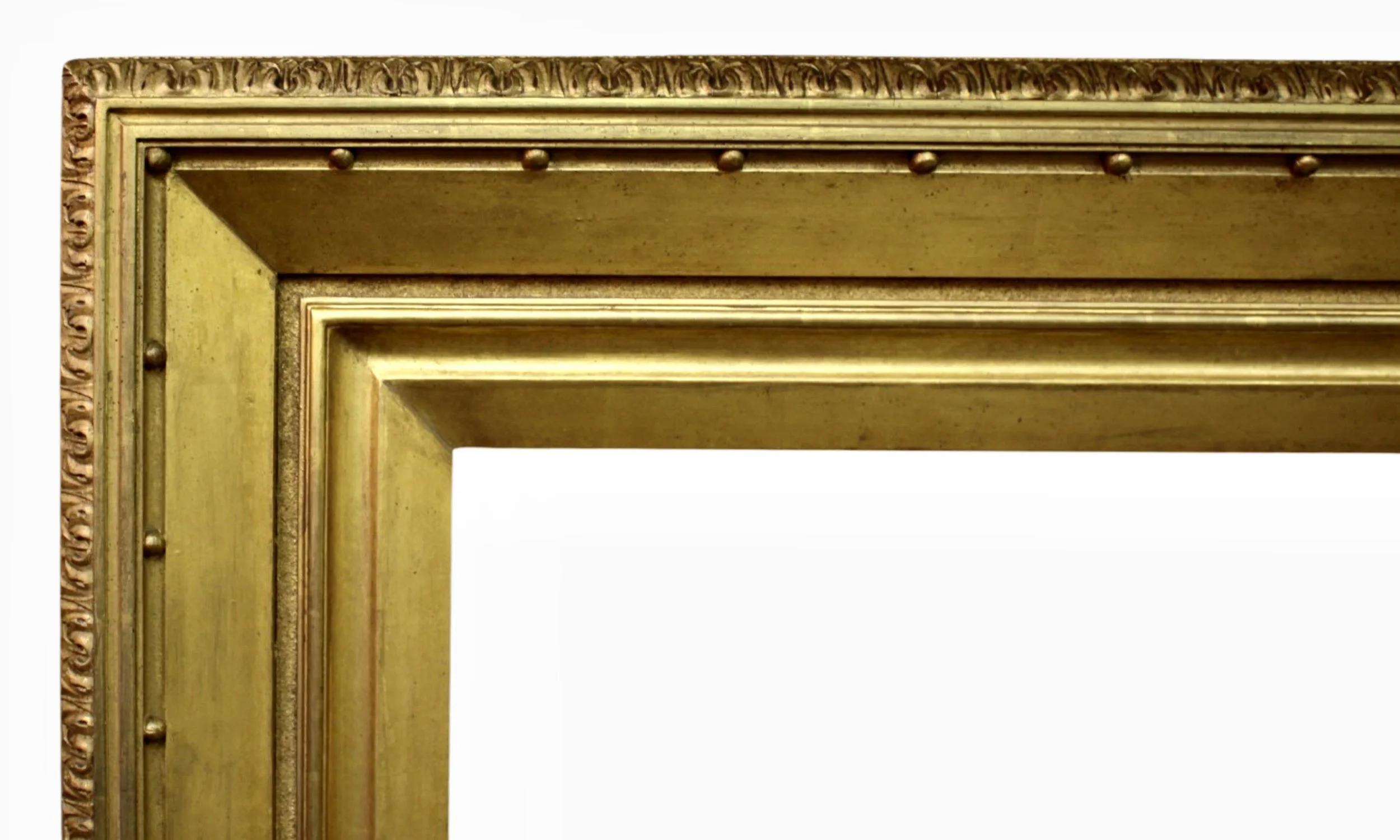
The design of the frame itself can also impact the protection of the artwork. A well-designed frame with proper backing and sealing can provide an additional layer of defense against environmental factors.
Archival framing is essential for preserving the value, appearance, and longevity of artworks. For collectors, galleries, and museums, it is a critical aspect of responsible art stewardship and an essential investment in our books. Archival and conservation framing is not standard in Australia and only a selection of fine art framing services provide true conservation level framing. We refer our clients to reputable and outstanding businesses nationally who specialise in archival framing.