Identify and Care for Antique and Vintage Frames
Learning how to identify and care for the heritage and arts in any collection is a valuable pursuit for those who care about their investments.
Damage to antique and vintage frames is common and often avoidable. Damage and the practice of re-framing has contributed to antique frames in good condition becoming increasingly rare. Repairing damage to frames in general can be expensive and there are easy steps that anyone can take to protect their frames from damage in their private residence or business.

Frames are often valuable enhancements for pieces of fine art and there is an increasing awareness about keeping original and intentional frames with their paintings and artworks to protect historical and artistic integrity, and to benefit the provenance and cultural value of art.
Identify the Frame
How to Identify a Frame
Inspect Joinery and Miters
Look for clues about the materials and manufacturing technology used
Note the timber wear, oxidization level and presence of borer
Note quality and condition of any ornamentation
Look for signs of age, wear and previous repairs
Understand the style and history of a frame and in relation to its artwork
Assess the gilding or finish of the frame in context of its age
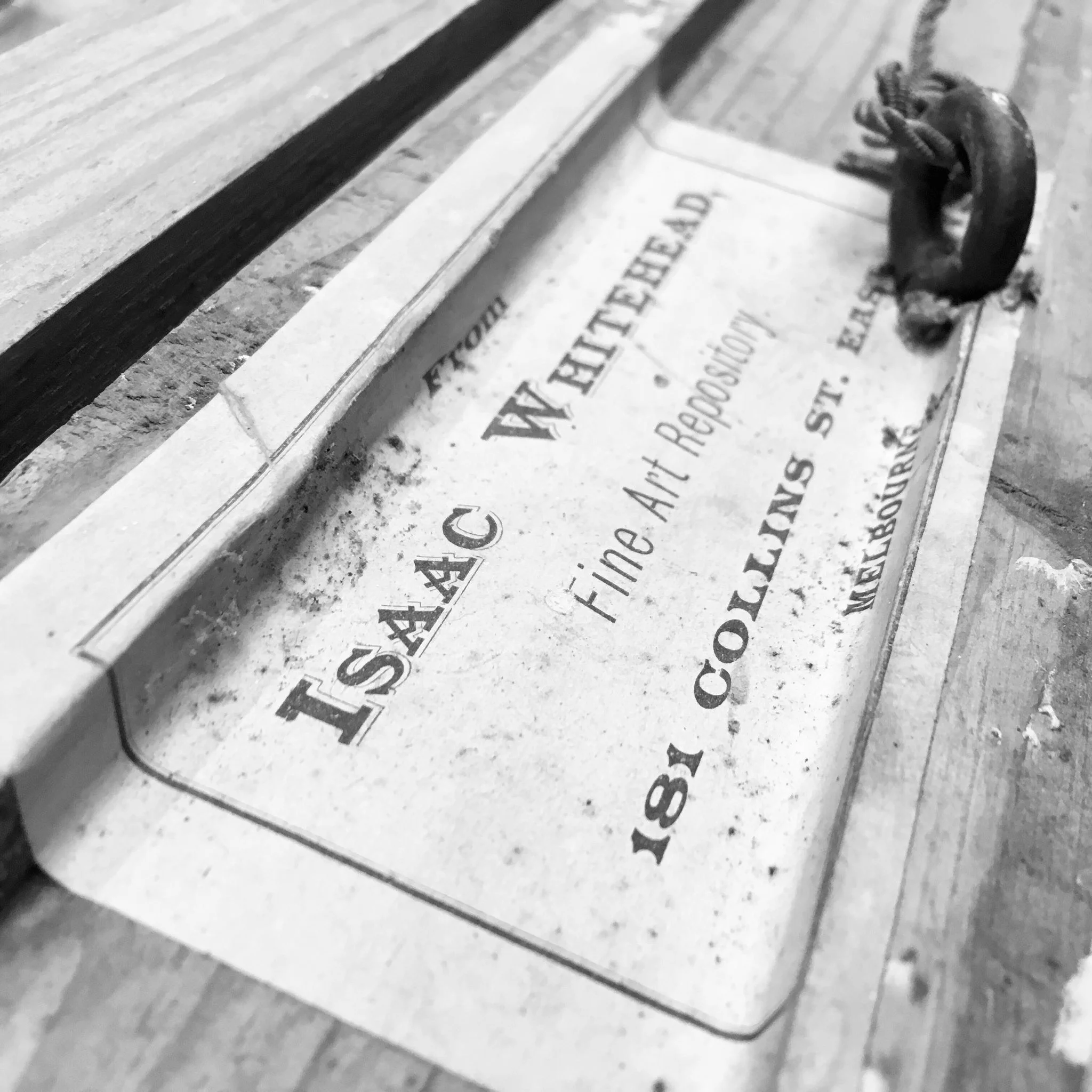
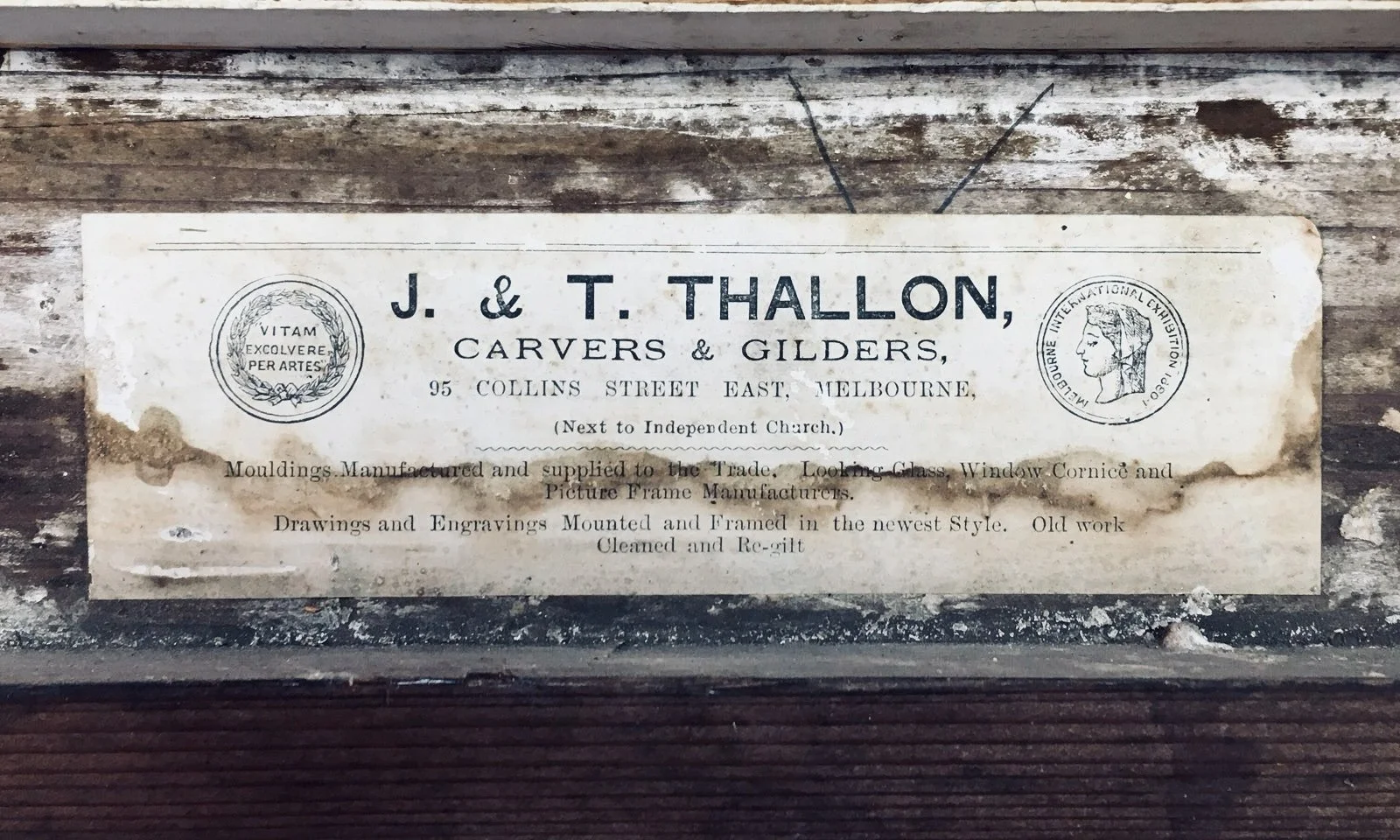
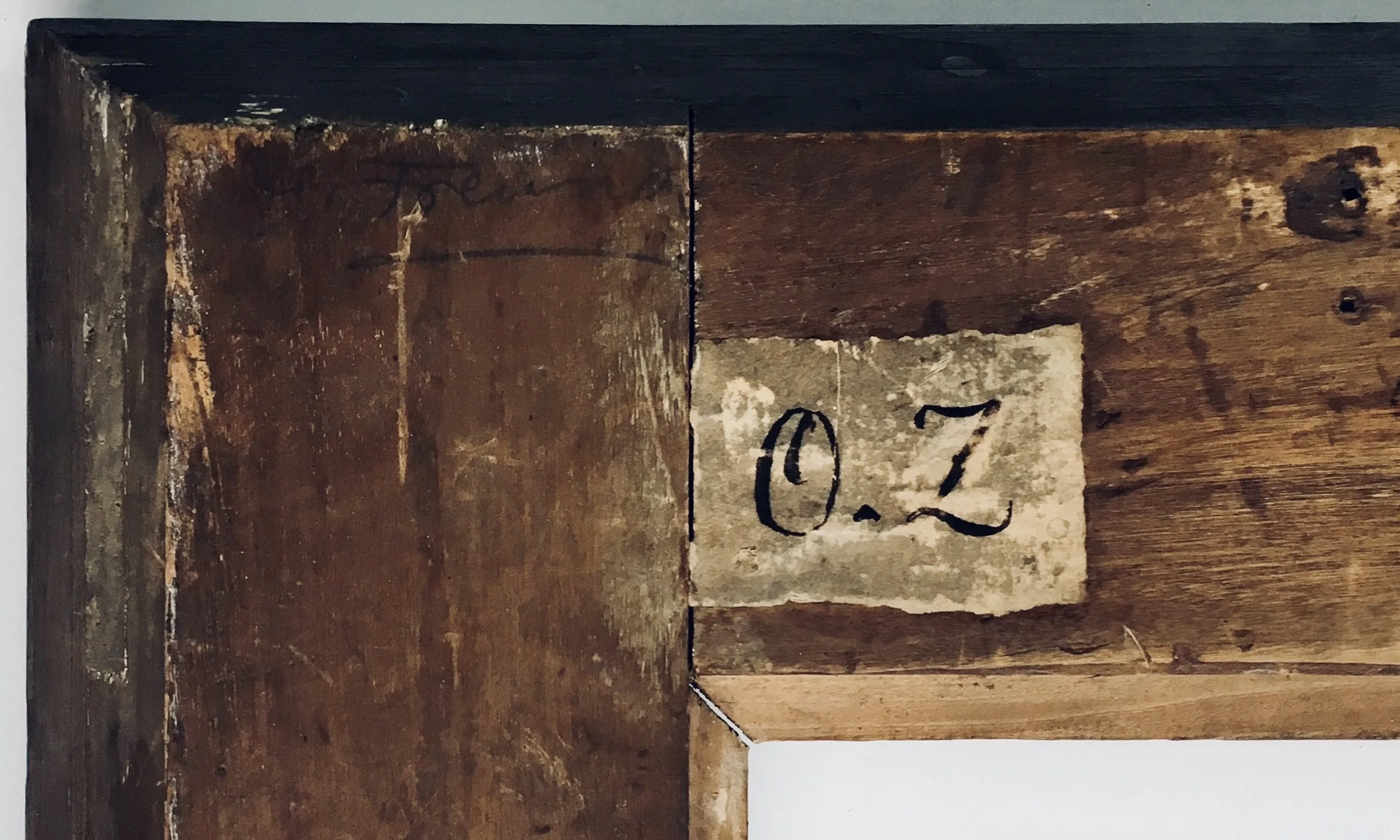
Look for the known history or provenance of an antique. Look for any labels, tags or markings from the frame maker, artist, art dealer or auction house.
Our Advice
Know the basics of what to look for when buying art and antiques. Learn about frames and frame making.
Consider the value of having a historically or artistically relevant framing choices for your collection.
Protect Frames and Their History
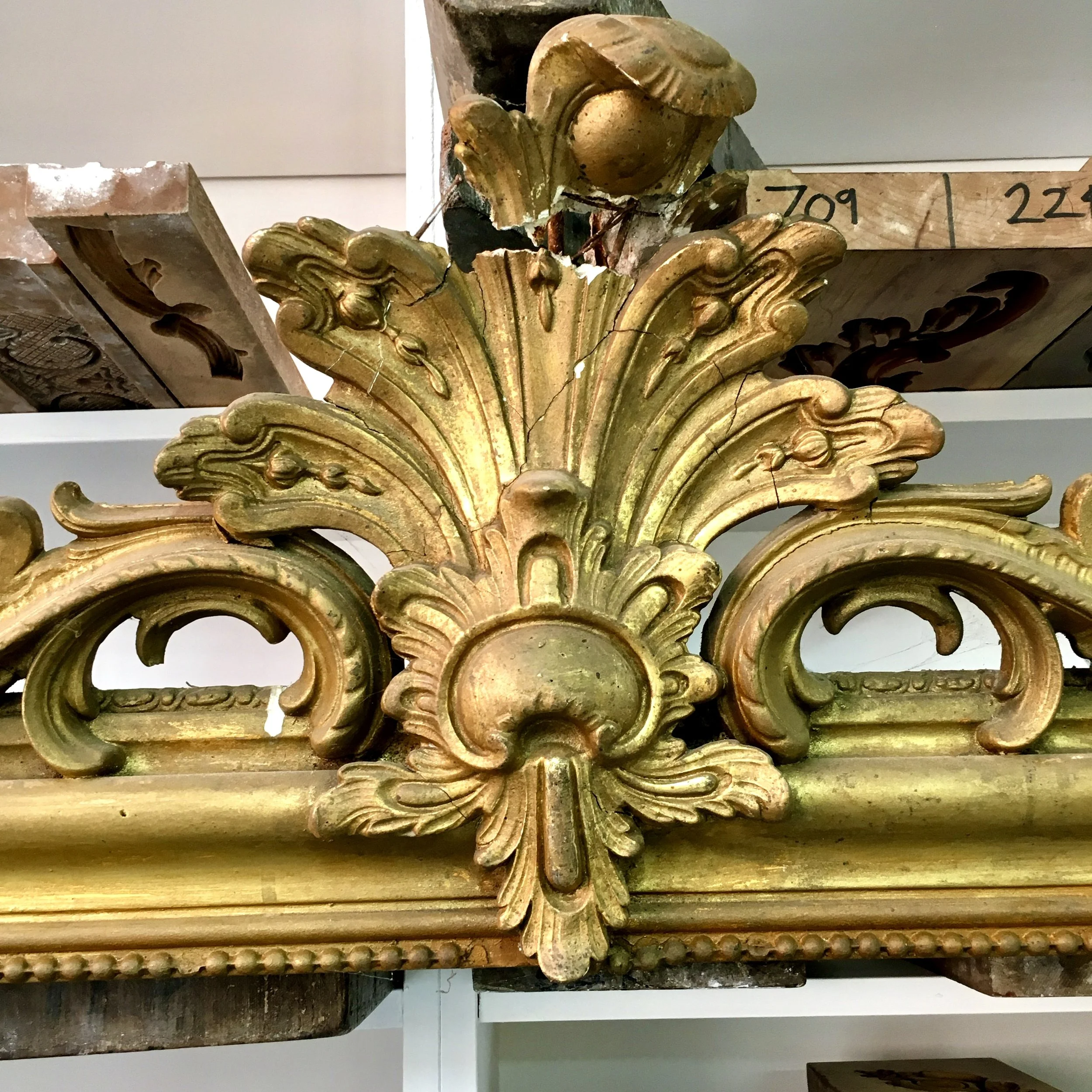
Common Causes of Damage to Frames
Cleaning
Damage from impact
Wear from handling
Environmental exposure, such as sunlight, heat, moisture, water or smoke
Exposure to mold or pollutants
Insect damage from flies and borer
Natural deterioration and neglect
Poor quality repair interventions
Improper removal of backing boards, hanging wire and labels when refitting artwork
General Advice Only
Please note: antique and vintage frames are unique in their stability and materials, and any intervention or cleaning undertaken by someone in line with our general advice is at their own liability. Please exercise caution before attempting to clean or interfere with your antique and vintage possessions and consult with a conservation professional if you are unsure.
Be careful how you clean your frames. Use a very soft, clean cotton cloth to dust while avoiding rubbing on any gilded or delicate finish. Avoid dusting frames too often and consider if there is a need to have a specialised professional clean the frame safely.
Never use cleaning liquid, alcohol, water or any aqueous solution to clean a frame unless you are knowledgeable in the area. Use a completely dry and new cloth and never a damp or contaminated one.
Ensure that frames and mirrors are secure and safely installed away from foot traffic where they can be knocked or scuffed.
Keep frames out of direct sunlight and areas with rapid temperature changes or high moisture such as bathrooms, laundries or sunrooms. Consider avoiding placing art and antiquities near heaters, air-conditioners, fireplaces, kitchens or where they are vulnerable to pet or pest interference.
Handle frames with clean, dry hands or cotton gloves. This prevents oil transfer and damage caused by wear and oxidation to gilded surfaces.
Be gentle when removing or changing backing boards and hanging wires. Avoid damaging or removing original frame maker, artist or dealership labels, tags, markings or signatures.
Take note of concerning changes in the state of your antiques- such as ornament losses, extensive cracking, gesso flaking, oxidisation or failing hanging systems. Early and appropriate intervention to stabilise and prevent further damage is highly beneficial in protecting heritage items. Consult with a conservation professional for individualised guidance.